 Dr. Görkem Astarcıoğlu
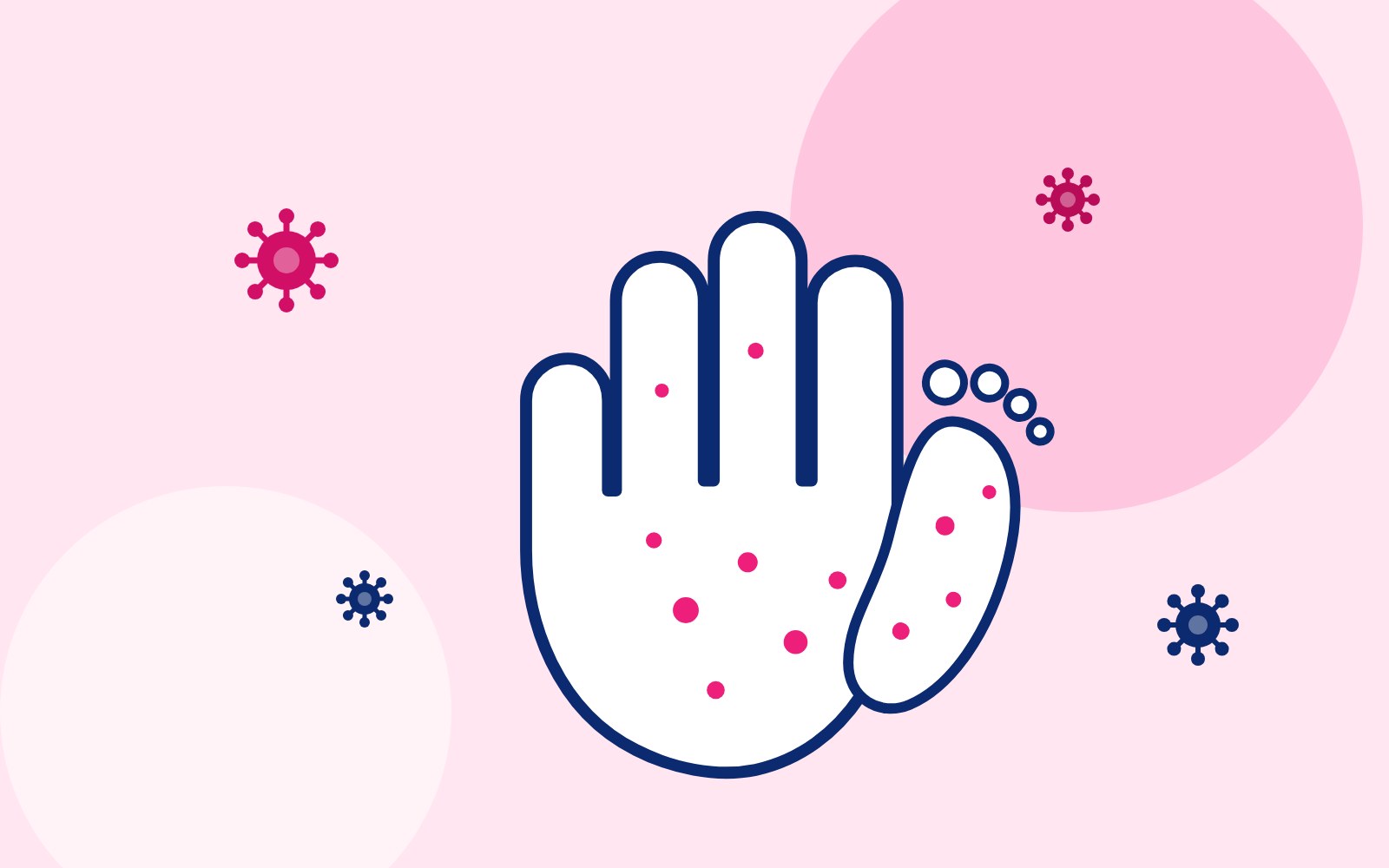
What Is Hand, Foot and Mouth Disease?
Hand, foot and mouth disease is a contagious viral infection caused by enteroviruses and is common in children under 5. It is most often caused by Coxsackievirus A16 and Enterovirus 71 (EV-A71).
It usually presents with fever, sore throat, painful ulcer-like sores in the mouth, and a rash on the palms of the hands and the soles of the feet. A rash may sometimes also appear on the buttocks and legs. The illness usually clears up on its own within 7–10 days; however, the sores in the mouth can make it hard for the child to drink and may lead to dehydration.
Although hand, foot and mouth disease is usually mild, it can sometimes lead to more serious complications, especially in young children.
Hand, foot and mouth disease is typically characterised by:
- A vague fever and tiredness before any sores or rash appear
- Sores in the mouth (not everyone has them)
- A rash on the palms and soles
This is why it is called “hand, foot and mouth disease”.
How Does Hand, Foot and Mouth Disease Spread?
Hand, foot and mouth disease is highly contagious. The virus can spread through:
- Droplets from coughing and sneezing
- Contact with saliva
- Contact with stool
- Contaminated surfaces
- Close contact
The virus can spread quickly, especially in nurseries and schools. Sharing toys, close contact and poor hygiene increase the risk of transmission. The places where the disease is most often passed on are surfaces in shopping centres that many children touch. Ball pits, coin-operated ride areas and children’s trains are places where viruses can pass from child to child. The fact that the virus can survive for several hours on hard surfaces – and that its genetic material can still be detected even after 28 days (which does not mean it remains infectious for 28 days) – makes its spread harder to control.
The enteroviruses that cause hand, foot and mouth disease are not only spread by direct contact with a sick child. Contaminated toys and shared surfaces can also play a role.
Scientific studies show that these enteroviruses can remain infectious for hours on plastic toys, play mats, and wooden and metal surfaces. It is therefore possible for the infection to pass from a surface one child has touched to another child.
Children’s play areas in shopping centres are shared spaces where many children use the same toys, touch the same surfaces and frequently put their hands in their mouths. Because hand hygiene is not yet well developed in young children, the risk of transmission in such areas may be higher.
This does not mean that every play area is dangerous or that every child who uses them will get sick. But regular cleaning and proper disinfection of toys and frequently touched surfaces, washing children’s hands with soap and water, and keeping children with symptoms away from shared play areas until they recover all help to prevent transmission.
The disease is usually:
- Most contagious during the first week of illness
- Still shed in the stool for weeks
For this reason, hygiene measures should be continued even after symptoms have gone.
Symptoms of Hand, Foot and Mouth Disease in Children
The illness usually starts with a mild fever and tiredness, followed by the typical rash.
Early Symptoms
- Mild fever
- Tiredness
- Loss of appetite
- Sore throat
- Irritability
Typical Symptoms
- Sores in the mouth
- Blisters on the tongue and palate
- Rash on the palms
- Rash on the soles of the feet
- Rash on the buttocks (in some children)
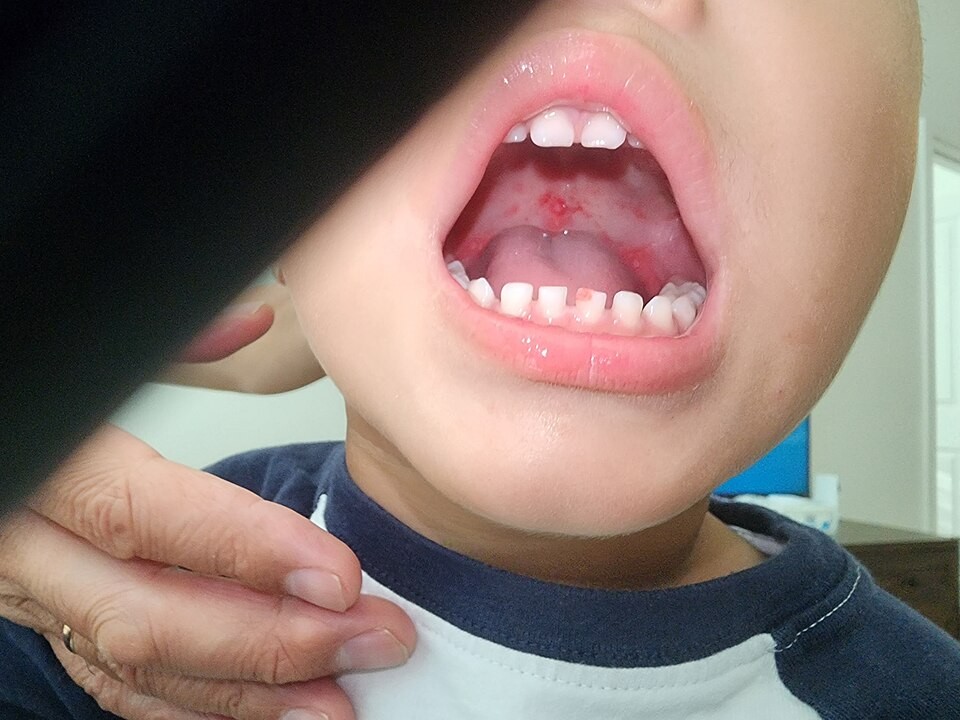
Mouth sores can make eating difficult for children. This can lead to fluid loss, especially in young children.
Hand, Foot and Mouth Disease in Babies
In babies, hand, foot and mouth disease may present with:
- High fever
- Feeding difficulties
- Marked irritability
- Drowsiness
- Mouth sores
- Rash
Babies are at higher risk of fluid loss and should be monitored carefully.
How Long Does Hand, Foot and Mouth Disease Last?
Typically:
- Fever: 1–3 days
- Mouth sores: 5–7 days
- Rash: may last 7–10 days
Most children recover completely within 7–10 days.
When Is Hand, Foot and Mouth Disease Dangerous?
See a healthcare professional if your child has:
- A high fever lasting more than 3 days
- Inability to eat
- Inability to drink
- Severe weakness
- Vomiting
- Difficulty breathing
- Neurological symptoms (rare)
These signs may indicate that complications are developing.
Treatment of Hand, Foot and Mouth Disease
Hand, foot and mouth disease is a viral infection, so antibiotics are not needed. As there is currently no specific antiviral treatment that eliminates the disease, treatment is based on controlling pain and fever, ensuring adequate fluid intake and monitoring the child’s general condition. Vitamin A is also a nutrient worth paying attention to during this time. Vitamin A plays an important role in normal immune function and in maintaining barrier tissues such as the lining of the mouth and gut. Observational studies in children with hand, foot and mouth disease have reported an association between low vitamin A levels and more severe illness. However, it has not yet been proven that vitamin A supplements are effective in treating the disease. It is therefore important to prevent deficiency and, if present, to correct it after assessment by a doctor.
Treatment is usually supportive:
- Plenty of fluids
- Fever control
- Rest
- Soft foods
- Mouth care
Children may drink less because of mouth sores, so measures to heal the sores and keeping track of fluid intake are important. In severe cases where the child cannot eat or drink by mouth, or in very young babies, hospital admission may be needed. For children who cannot eat solid food, nutritious smoothies that can be drunk through a straw can be prepared. Black mulberry molasses (with no added sugar) is an easily available food that may soothe mouth sores. Your doctor may also recommend mouth-care sprays. The rash on the hands and feet needs no separate treatment; in fact, applying creams is not recommended, because the sores carry live virus and creams can help keep the infection spreading. The sores heal on their own without leaving scars. The child remains contagious until the last sore has crusted over.
About 3 weeks after the illness, peeling skin and shedding of fingernails and toenails may be seen. This is a late sign of the disease and needs no additional treatment.
How Can Hand, Foot and Mouth Disease Be Prevented?
To protect against hand, foot and mouth disease, the following are recommended:
- Washing hands frequently
- Cleaning toys
- Avoiding contact with sick children
- Cleaning shared items
- Paying attention to hygiene in nurseries and schools
Conclusion
Hand, foot and mouth disease is one of the common contagious viral infections of childhood. Although it is usually mild, careful monitoring is important in young children. It is important not to skip children’s well-child check-ups and, through tests done while they are healthy, to make sure there are no vitamin and mineral deficiencies – especially vitamin A deficiency.
When symptoms such as fever, mouth sores and rash appear, children’s fluid intake should be monitored closely. Hygiene measures play an important role in preventing the spread of the disease.
References
- Ooi, M. H., Wong, S. C., Lewthwaite, P., Cardosa, M. J., & Solomon, T. (2010). Clinical features, diagnosis, and management of enterovirus 71. The Lancet Neurology, 9(11), 1097–1105. https://pubmed.ncbi.nlm.nih.gov/20965438/
- Xing, W., Liao, Q., Viboud, C., Zhang, J., Sun, J., Wu, J. T., … & Yu, H. (2014). Hand, foot, and mouth disease in China, 2008–12: an epidemiological study. The Lancet Infectious Diseases, 14(4), 308–318. https://pubmed.ncbi.nlm.nih.gov/24485991/
- Koh, W. M., Bogich, T., Siegel, K., Jin, J., Chong, E. Y., Tan, C. Y., … & Cook, A. R. (2016). The epidemiology of hand, foot and mouth disease in Asia: A systematic review and analysis. PLOS Medicine, 13(2), e1001958. https://pubmed.ncbi.nlm.nih.gov/26863687/
- Esposito, S., & Principi, N. (2018). Hand, foot and mouth disease: current knowledge on clinical manifestations, epidemiology, aetiology and prevention. European Journal of Clinical Microbiology & Infectious Diseases, 37(3), 391–398. https://pubmed.ncbi.nlm.nih.gov/29214368/
- Baharin SNAN, Tan SL, Sam IC, Chan YF. Stability of enteroviruses on toys commonly found in kindergarten. Tropical Biomedicine. 2023;40(4):478–485.
- Sittikul P, et al. Stability and infectivity of enteroviruses on dry surfaces: Potential for indirect transmission control. 2023. DOI: 10.1016/j.bsheal.2023.07.001
- Centers for Disease Control and Prevention (CDC). About Hand, Foot, and Mouth Disease. https://www.cdc.gov/hand-foot-mouth/about/index.html
- Chen S, Yang Y, Yan X, Chen J, Yu H, Wang W. Influence of vitamin A status on the antiviral immunity of children with hand, foot and mouth disease. Clin Nutr. 2012 Aug;31(4):543-8. doi: 10.1016/j.clnu.2011.12.005. PMID: 22197454.