 Dr. Görkem Astarcıoğlu
Think about the number of cells that make up the human body, and now imagine how many genes are in the nuclei of those cells. Quite a lot, isn’t it? Now get ready… thousands of times more genes than that live in our bodies without belonging to us. These genes belong to all the bacteria, viruses and fungi that live with us – organisms we can roughly call probiotics. When I first learned that they outnumber us, I was a little uneasy. Then I came to understand how closely the harmony in the world of these probiotics can affect us. After the first results of the “Human Microbiome Project” were published, it became clear that our gut is our second brain. It is the balance of this microbiota that steers our behaviour and determines which diseases we develop. If the balance among probiotics is disturbed, the risk of conditions that have become common and hard to resolve in recent years – such as asthma, cardiovascular disease, obesity, schizophrenia, depression and irritable bowel syndrome – also increases. Antibiotics are known to be the main culprit that can upset this balance. Frequent antibiotic use also kills probiotics and disrupts the harmony of the microbiota.
As we move away from natural eating and processed food, frozen food and additives take up more and more of our lives, the conditions listed above are also becoming more common.
We have learned that during a vaginal birth the baby receives necessary and beneficial probiotics from the mother’s birth canal, so that the body’s probiotic map is designed in a healthier way, whereas a caesarean birth disrupts this balance and creates a new and less suitable probiotic map from scratch.
In other words, for a healthy probiotic balance we recommend natural nutrition, avoiding antibiotics, and vaginal birth unless there is a medical reason not to.
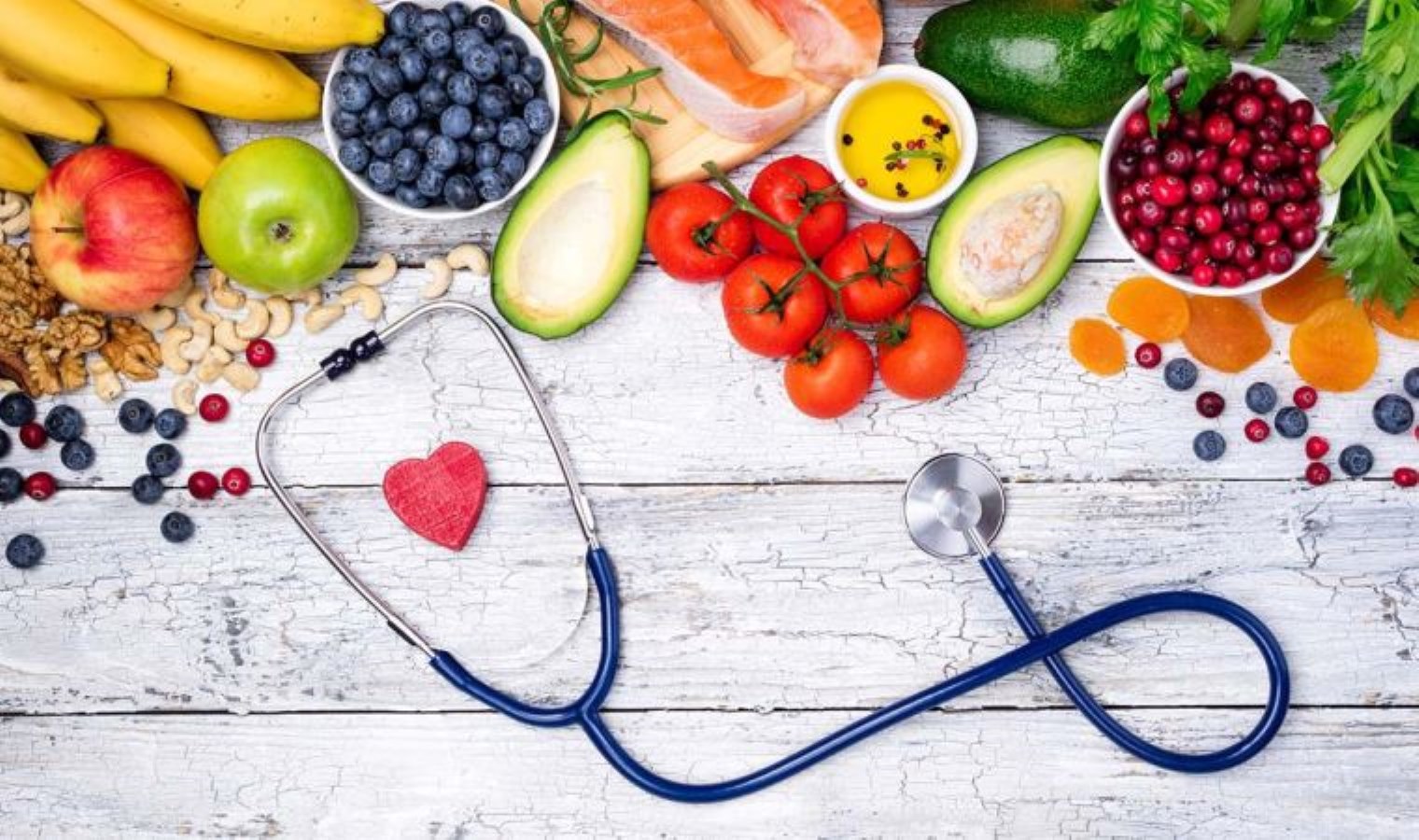
I can say that we are fortunate in Turkey when it comes to eating habits. Even in big cities, natural food sources are within reach. We have a wonderful traditional product such as yoghurt, for example, which is always on our tables. Even working mothers take care to make their own yoghurt at home. Kefir and home-made pickles are equally rich sources of probiotics. Eating foods high in probiotics as much as possible is beneficial. If antibiotics have to be used, it is worth taking a probiotic supplement recommended by your doctor. As paediatricians, we also definitely recommend probiotic supplements in cases of diarrhoea and constipation.
I wanted to emphasise the importance of including functional foods on your table in order to guide your children’s eating habits in a healthy direction from the very start. Healthy food will raise healthy individuals.
Görkem ASTARCIOĞLU